Sommelier's Secrets
“Wine adds a smile to friendship & a spark to love” [Edmondo de Amicis]
Wine Tasting
101
Let us not follow where the path may lead. Let us go instead where there is no path, And leave a trail.
How to Taste Wine Like a Sommelier
Understanding Wine Circumstances:
The year a wine is made plays a crucial role, not just the brand. Factors such as the weather, climate, and soil conditions of that particular year influence the wine's character.
Every vintage is unique, so two wines from the same region and vineyard may taste vastly different from year to year.
Visual Analysis
The first thing you notice about a wine is its appearance. It gives you a sense of its clarity and structure.
Clarity:
Hold the glass up to the light. A clear wine typically indicates good quality, while a wine with cloudiness might suggest defects or a natural wine that wasn't filtered.
Color:
White Wines: The color can range from light, pale lemon green to a deeper gold or amber.
Lightest (Lemon Green) = Lighter wine, often crisp and fresh.
Lemon = Light, but more ripe.
Gold/Amber = Indicates more aging, potentially fuller-bodied or richer flavors.
Red Wines:
Ruby, Purple, or Violet = Young, fresh wines with lively flavors.
Brown = Indicates older, more matured wines.
2. Smelling the Wine:
The "nose" of the wine is crucial for identifying its aromas and flavors. Swirl the wine to release the aromas and take a few deep sniffs.
The first thing you notice about a wine is its appearance. It gives you a sense of its clarity and structure.
Intensity of Aromas:
Low Intensity: You might need to put your nose close to the glass to pick up the scents.
Medium Intensity: Swirl the glass gently and sniff from the rim to catch more of the aroma.
High Intensity: You can pick up the aromas simply by holding the glass in your hand.
Types of Aromas:
Primary Aromas: These are the fresh and fruity scents you first detect, like citrus, floral, and light herbal notes. Often more prominent in white wines.
Secondary Aromas: These aromas come from winemaking techniques, such as oak aging. You might smell vanilla, toast, or even floral notes (think of red wines or whites aged in oak).
Tertiary Aromas: These are aromas from aging in the bottle, such as tobacco, dried fruit, nuts, chocolate, or earthy notes.
3. Tasting The Wine
Dry vs. Sweet: The wine’s dryness is determined by the amount of residual sugar. Dry wines have little to no sugar and are more acidic. Sweet wines have higher sugar content and lower acidity.
Dry Wines: These are typically more acidic and made from earlier harvests.
Sweet Wines: Grapes are harvested later in the season when they are riper and contain more sugar.
Aging & Complexity:
Young wines tend to have more fruit-forward flavors and fresher acidity, while older wines (those that have been aged in barrels or bottles) will have deeper, more complex flavors like dried fruits, spices, and tobacco.
4. Wine & Food Pairing:
Wine tasting is an experience, and pairing wine with food elevates that experience. The flavors of the food and wine interact and can enhance each other.
Matching Wine & Food by Strength:
Red Wine: Pairs well with strong, hearty dishes like steak or grilled meats.
White Wine: Generally pairs with lighter dishes such as fish, chicken, or salads.
Contrast or Complement Flavors:
For acidic foods (e.g., lemon on fish), you typically want to pair them with a dry wine. The acidity in the wine will balance out the dish.
For sweet dishes (like a dessert), a sweet wine will complement the sweetness and create a harmonious pairing.
5. Evaluating a Wine’s Quality
Outstanding Wine: Everything about the wine is perfect — its appearance, aromas, and flavors.
Very Good Wine: One aspect (like the aroma or finish) might not be as impressive as the others, but it’s still high quality.
Good Wine: A balance of good and less impressive elements, but still enjoyable.
Acceptable Wine: Only one or two aspects stand out, with several others lacking.
Poor Wine: None of the aspects are good — it might be overly acidic, flat, or have off-putting aromas.
6. Wine Characteristics by Region and Year
Wine regions and the year of production are key indicators of quality. The weather, temperature, and climate conditions each year impact the grape harvest and ultimately the flavor of the wine.
For example:
In Australia, the winemaking process and climate are known to produce consistently excellent wines.
Italy produces exceptional wines, with regions like Gavi known for its outstanding white wine.
7. Wine and Environment
The setting and temperature of where you’re drinking the wine can influence how you experience it:
Cold Weather: Red wines tend to pair better, as they complement the warmth and richness of winter dishes.
Warm Weather (e.g., Summer): Lighter, refreshing wines like white or rosé wines are ideal for enjoying during warmer weather.
8. Wine Characteristics for Personal Preference
Every person has their own preference for wine based on factors like flavor strength, acidity, and food pairing. Think about what you enjoy:
- Red, White, or Rosé?
- Light, Medium, or Strong-bodied?
- What food are you eating with it?
Experiment with it, try different wines!
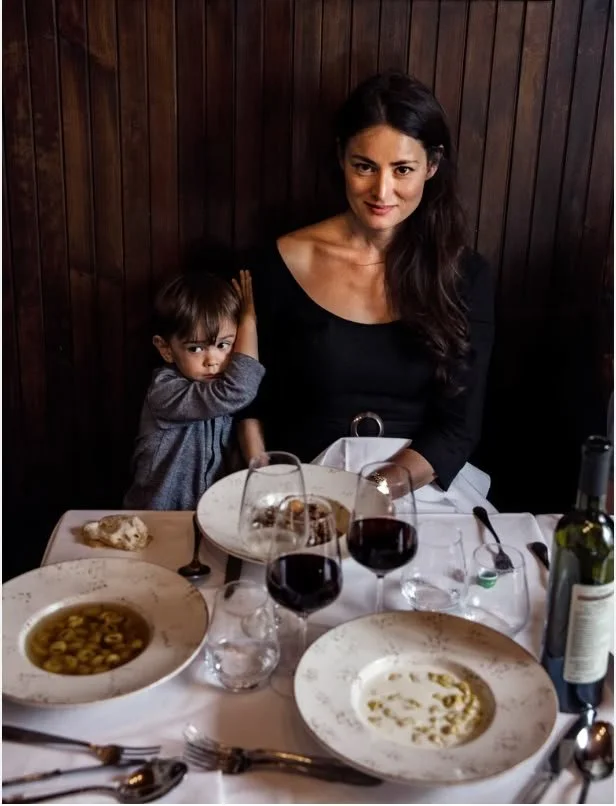
Wine tasting is a journey of discovery, where every sip connects you to the environment, the weather of the year, and the craftsmanship behind it. Whether you’re enjoying a wine alone or with food, knowing the nuances of wine — from its appearance to its aroma and taste — helps you appreciate it more deeply.